Find relevant scholarship
Search curated publications by title, author, DOI, topic, year, research method, and other evidence-focused fields.
Romance scam research | Cyber defense | Victim support
LD Herrera, PhD studies romance scams, AI-enhanced fraud, help-seeking behavior, and support models that reduce harm for older adults and vulnerable populations.
About LD Herrera
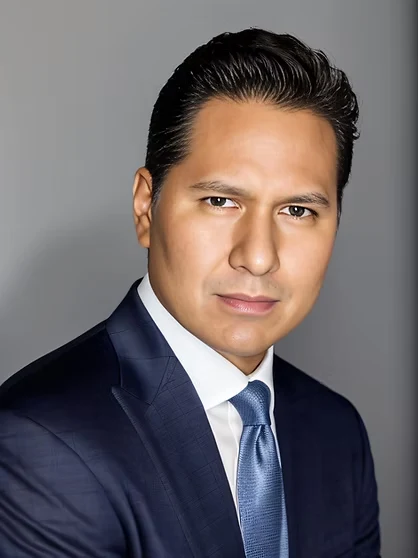
LD Herrera brings more than 35 years of IT leadership and cybersecurity experience to research on online fraud, cyberpsychology, and victim-centered response.
His current work examines how romance scams stay hidden, why victims delay disclosure, how trust shapes help-seeking, and what support systems should do differently when cybercrime is also a deeply personal violation.
He is currently pursuing a PhD in Forensic Cyberpsychology at Capitol Technology University and a Graduate Certificate in Disaster Mental Health at the University of South Dakota.
Featured initiative
LD Herrera founded the Romance Scam Research Center, the principal program of the Social Technology and Safety Foundation, to make romance scam research easier to find, inspect, and use.
RSRC combines a curated research library, source-linked publication records, plain-language synopses, and living evidence syntheses that connect findings across studies. Its public methodology explains how AI-assisted workflows, automated quality checks, administrative approval, and recorded review states are used, along with the system's limitations.
Search curated publications by title, author, DOI, topic, year, research method, and other evidence-focused fields.
Read versioned syntheses that identify what the evidence shows, where uncertainty remains, and which questions still need answers.
Review source links, AI disclosures, review states, limitations, revision histories, and public correction pathways.
Dakota State University
After completing a PhD in Cyber Defense and an MBA at Dakota State University, LD Herrera will begin the university's Master of Science in Artificial Intelligence program in Spring 2027.
What I do
Survey-based research on when people seek help, what prevents formal reporting, and how better support systems can lower victim burden.
Analysis of how generative AI strengthens persuasion, impersonation, and credibility, especially in scams targeting older adults.
Applied work connecting technical response, education, evidence capture, reporting workflows, and practical intervention.
Featured publications
Four IEEE-published papers are available through Dakota State University's repository.
What happens after suspicion becomes crisis, and how a "report once, route many" model could help victims move faster with less burden.
A victim-centered look at money, shame, silence, help-seeking, and the emotional cost hidden behind official reporting numbers.
For research, speaking, consulting, or media inquiries, contact LD Herrera at ld.herrera@romancescamresearch.org.